Open Door Church Ministries
Revelation 3:8 states, "I know your works. Behold, I have set before you an open door, which no one is able to shut. I know that you have but little power, and yet you have kept my word and have not denied my name."
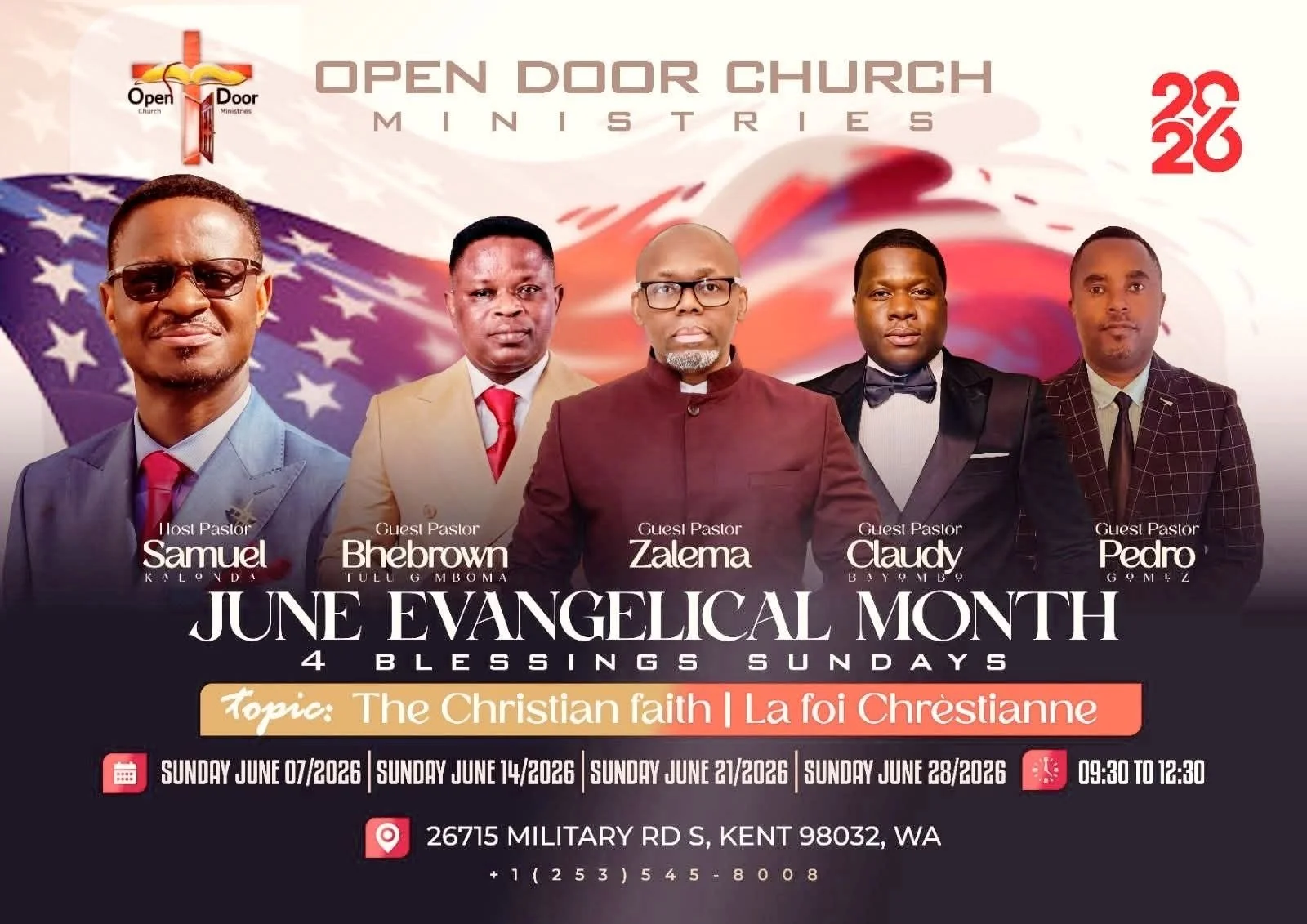
Events coming up!
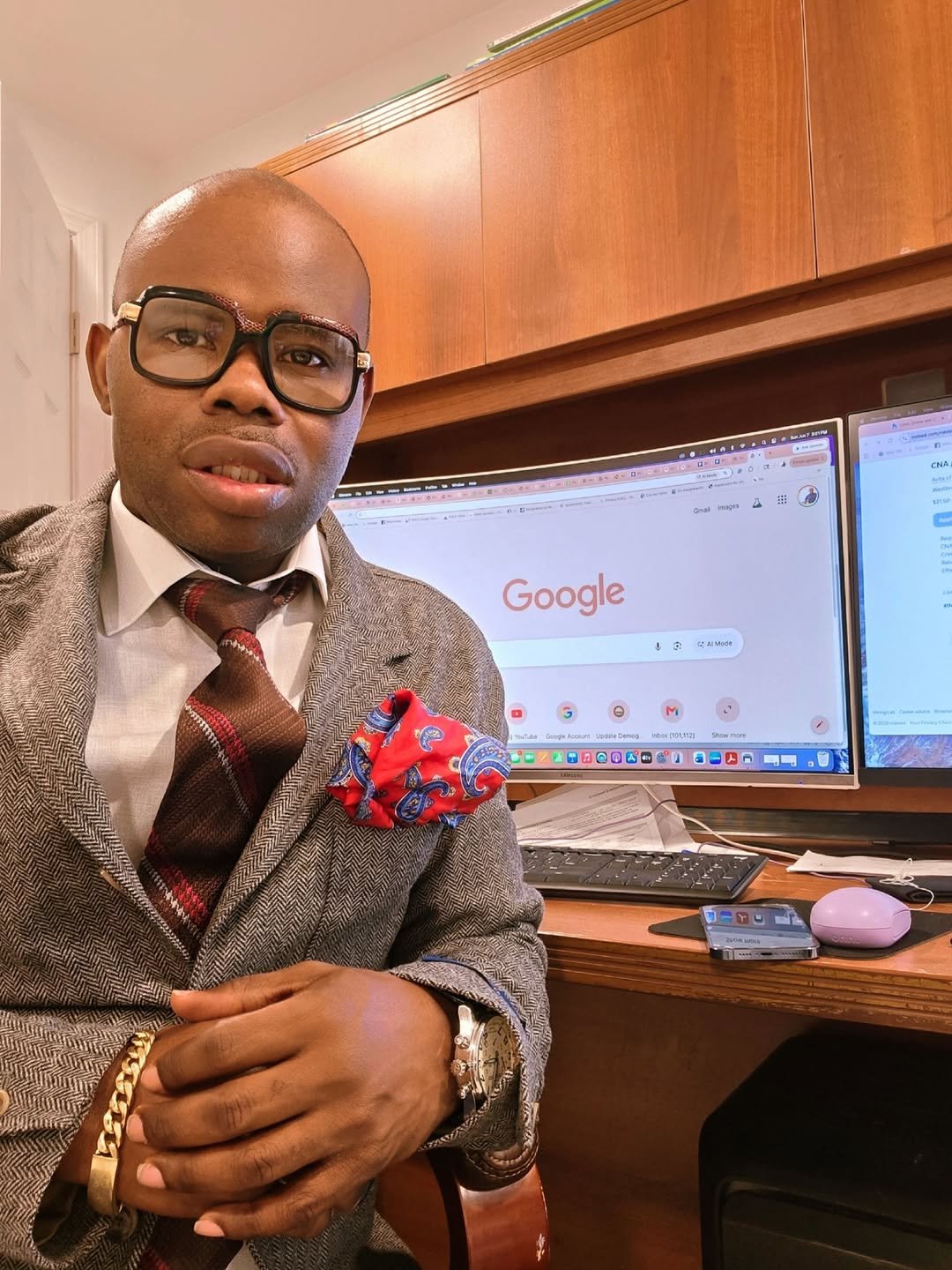
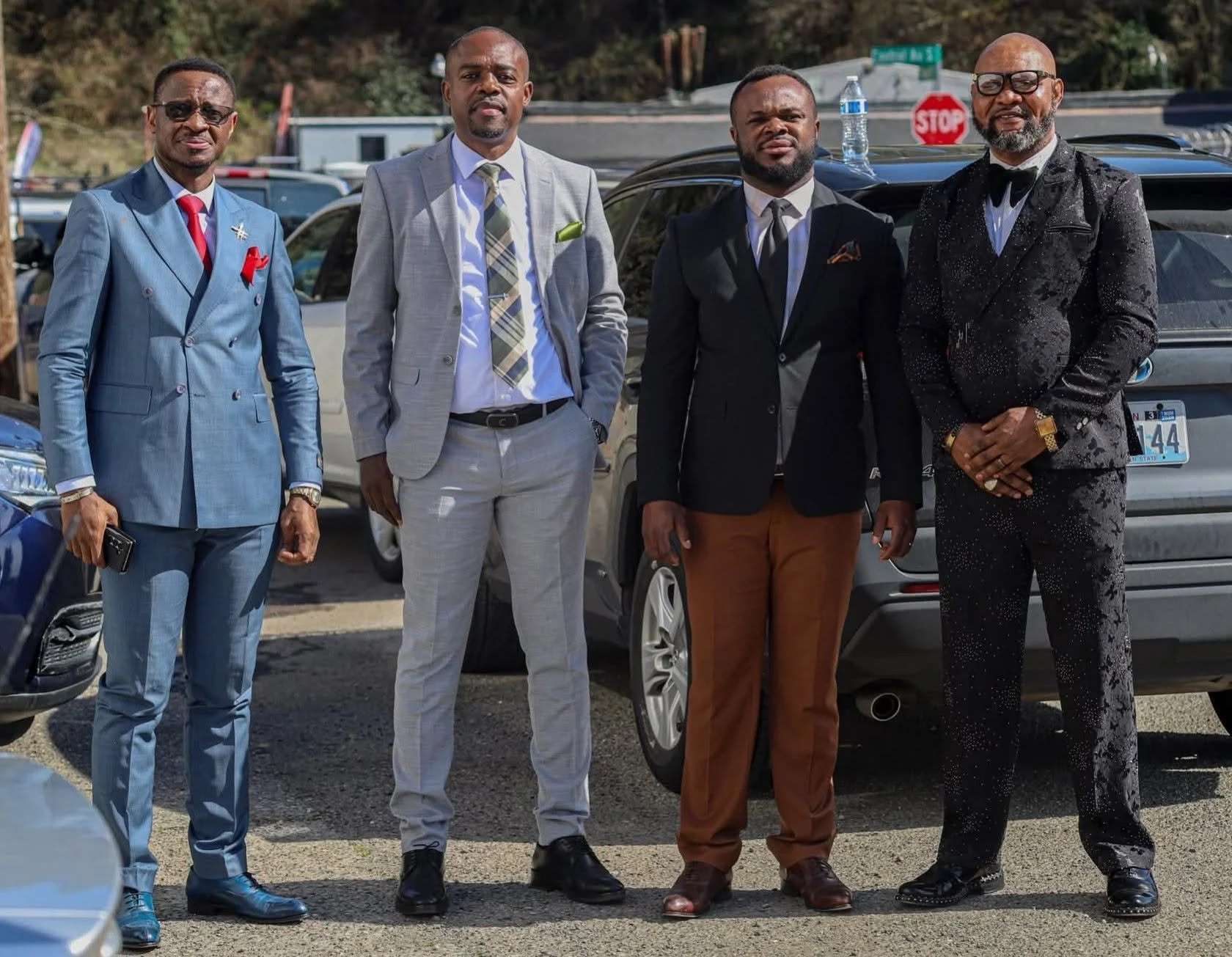
Open Door Church Ministries also operates in the Democratic Republic of the Congo with a single goal: to bring lost souls to the Cross of Jesus Christ for the redemption of our sins. The Democratic Republic of the Congo is a country ravaged by famine and war; more than six million people there have lost their lives due to human selfishness. We believe that only God can transform the human heart, enabling people to love their neighbors. God has stirred this desire for transformation through the teaching of Pastor Shung Okonda, in order to make an impact on a world filled with bitterness. Pastor Shung Okonda beleives, we can all enter to the field where anyone can be and transform the world by preaching “love your neighbor.”
Big ideas, real impact.
-
We are defined by our identity in Christ. We are considered children of God, a "new creation", loved, redeemed, and called to show His love to others. Our life is meant to reflect the grace, forgiveness, and teachings of Jesus.
Open Door Church Ministry celebrates life and shares love within African diaspora churches by embracing their rich, dynamic traditions: fervent praise, collective resilience, and vibrant fellowship. These congregations anchor communities, offering—for generations—places of joy, perseverance, and empowerment.
Love is here!
The Christian faith is primarily defended by apologetics, a theological discipline that provides rational, philosophical, and evidence-based arguments to justify belief in God and the resurrection of Jesus. Far from advocating blind faith, Christians are called to be able to respond to common doubts. The defense of Christianity generally rests on several fundamental arguments: the cosmological argument, according to which the universe had a beginning and—since everything that begins to exist requires a cause—requires a transcendent, causeless cause (which Christians identify with God); and the teleological argument (or fine-tuning argument), according to which the universe exhibits an exceptional degree of fine-tuning in its physical laws and constants, the precision required to allow life being deemed highly improbable in the absence of an intelligent designer. For any questions, please contact the Senior Pastor, Samuel Kazamba.
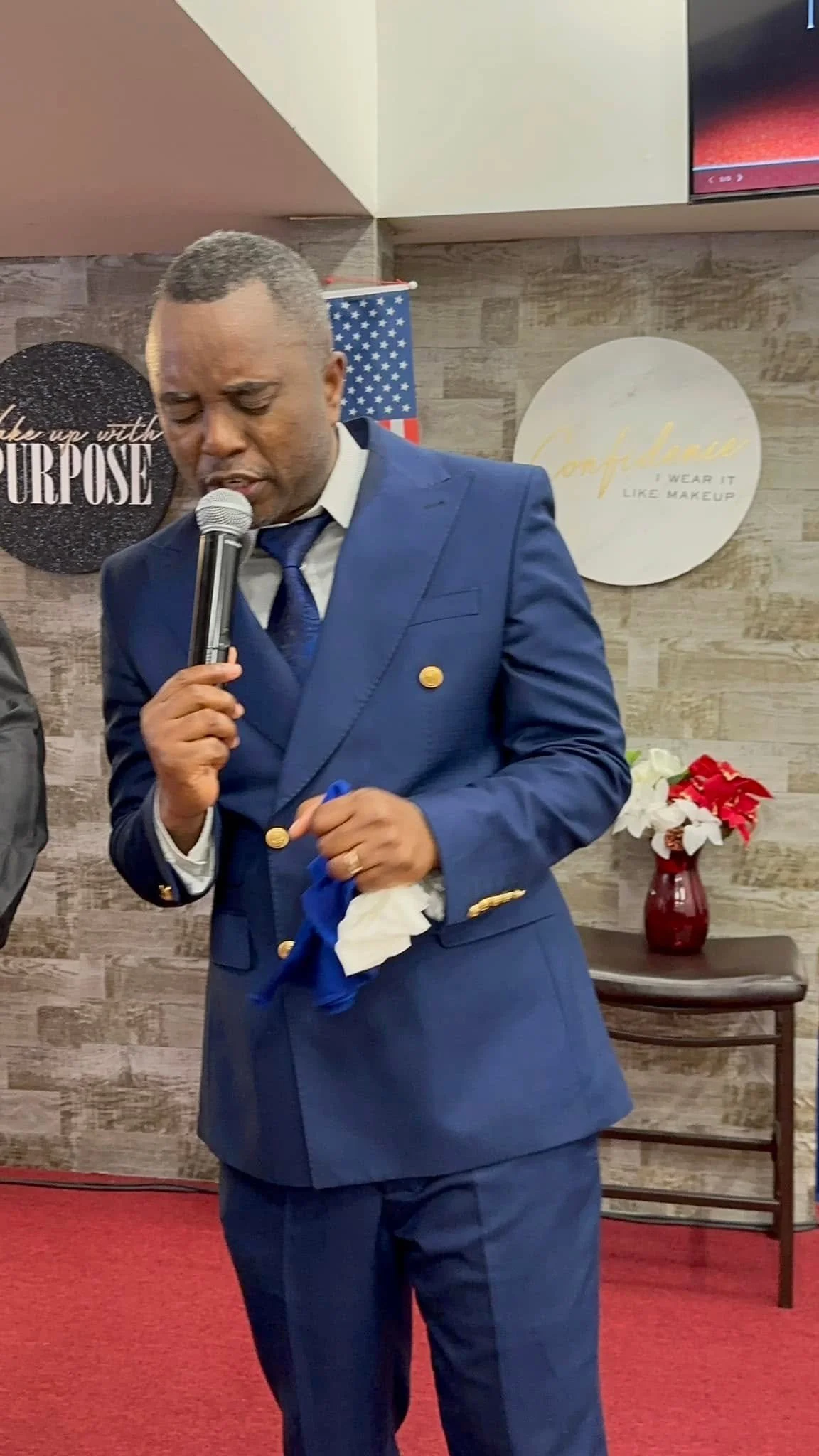
The Bible presents healing as a holistic restoration of body, soul, and spirit. Rooted in God as "the LORD who heals you" and secured through the wounds of Christ, this power operates through faith, prayer, and the Scriptures. Scripture emphasizes God's power to heal both bodily sickness and emotional broken-heartedness. Key verses, such as Isaiah 53:5 and Psalm 147:3, connect physical and spiritual restoration directly to divine intervention. Believers are encouraged to access this power through faith-filled prayer, community support, and meditating on scripture. James 5:14-15 highlights the role of elders and anointing with oil, while Proverbs 4:20-22 emphasizes the healing nature of God's Word

Psychology and the church
The intersection of psychology and the African church creates a dynamic space where indigenous healing practices, Christian beliefs, and modern mental health approaches converge. Historically, the church has served as a vital support network for Black communities. However, the tendency to over-spiritualize mental health issues, combined with the persistent stigma surrounding clinical therapy, often delays the pursuit of professional care. For generations, African and African-American churches have provided a sanctuary from chronic stressors such as racial trauma. For many congregants, spirituality, communal prayer, and religious practice are key ways to overcome adversity. Research indicates that active participation in church-based support networks can significantly mitigate the impact of discrimination on mental health.
Cultural and identity trauma: Diaspora communities often face forced assimilation, the loss of their indigenous heritage, and the heavy burden of hypervigilance in the face of systemic threats.
Systemic retraumatization: Mass incarceration, police violence, and economic marginalization act as ongoing sources of trauma, exacerbating ancestral suffering.~ Otshumba Okonda, Psychologist